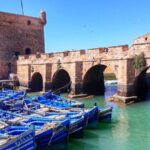
Morocco’s physical features are incredibly diverse, combining mountains, coastlines, deserts, and fertile plains within a single country. When exploring the physical features of Morocco, it becomes clear how its unique location in the northwest of Africa bordered by the Atlantic Ocean, the Mediterranean Sea, and the vast Sahara Desert creates one of the most geographically varied landscapes in the region.
In simple terms, Morocco’s landscape can be divided into four main areas:
- Mountain ranges (Atlas and Rif)
- Coastal plains
- Desert regions
- Fertile agricultural zones
This diversity directly influences the country’s climate, culture, and travel experiences. If you are planning a trip, understanding Morocco’s geography helps you choose the right itinerary from the Morocco tours collection based on landscapes and regions.
Morocco covers approximately 446,300 square kilometers, slightly larger than California, and its location near Europe just across the Strait of Gibraltar makes it a unique meeting point of African and Mediterranean influences.
Where Is Morocco Located Geographically?
Morocco sits at a strategic crossroads between Africa and Europe. It is separated from Spain by only 14 kilometers, which has historically influenced trade, culture, and climate.
The country is bordered by:
- The Atlantic Ocean to the west
- The Mediterranean Sea to the north
- Algeria to the east
- The Sahara Desert to the south
This positioning creates a blend of climates and ecosystems rarely found in one country.
Where Is Morocco Located Geographically?
Morocco sits at a strategic crossroads between Africa and Europe. It is separated from Spain by only 14 kilometers, which has historically influenced trade, culture, and climate.
The country is bordered by:
- The Atlantic Ocean to the west
- The Mediterranean Sea to the north
- Algeria to the east
- The Sahara Desert to the south
This positioning creates a blend of climates and ecosystems rarely found in one country.
Major Physical Regions of Morocco
Morocco’s geography is structured around several key natural regions, each offering a distinct environment.
1. The Atlas Mountains
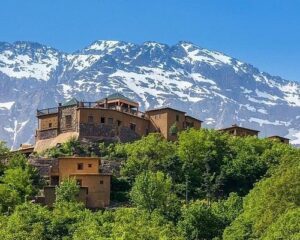
The Atlas Mountains are a key part of the physical features of Morocco, shaping its climate and landscapes.
The Atlas Mountains are the backbone of Morocco’s landscape and are divided into:
These mountain ranges:
- Act as a natural barrier against desert winds
- Influence rainfall distribution
- Create cooler climates at higher altitudes
The High Atlas, in particular, contains the highest peak in North Africa (Mount Toubkal).
2. The Rif Mountains
Located in northern Morocco along the Mediterranean coast, the Rif Mountains are known for:
- Green landscapes
- Mild climate
- Agricultural terraces
This region contrasts strongly with the arid south and is one of the most fertile parts of the country.
3. Coastal Plains
Morocco’s coastal areas benefit from the Atlantic Ocean, which moderates temperatures and creates a more stable climate.
The western plains, especially the Gharb region, are:
- Highly fertile
- Important for agriculture
- Densely populated
4. The Sahara Desert
The Moroccan Sahara lies south of the Atlas Mountains and represents one of the most distinctive and visually striking regions in the country.
This area is defined by:
- Expansive golden sand dunes
- Rocky desert landscapes
- Scattered oases and dry riverbeds
The Sahara offers a completely different environment compared to the rest of Morocco, with dramatic scenery and a sense of isolation that attracts travelers from around the world.
It is also one of the most popular parts of any itinerary, especially for those following routes such as the Marrakech desert tours or continuing from the north via the Fes desert tours, where the journey through the Atlas Mountains leads into the desert landscapes.
Mountain Ranges in Morocco
Mountain ranges play a crucial role in shaping Morocco’s environment and lifestyle.
They:
- Separate coastal climates from desert regions
- Protect fertile areas from harsh desert winds
- Influence rainfall and water distribution
Population density is also affected, with more people living in valleys and plains than in mountainous or desert regions.
Agricultural Land in Morocco
Agriculture remains an essential part of Morocco’s economy and landscape.
The most important agricultural area is the Gharb Plain, located between the Atlantic coast and the Atlas Mountains. This region produces:
- Cereals
- Fruits and vegetables
- Olive oil
Approximately two-thirds of Morocco’s land is used for agriculture, although productivity varies depending on rainfall and irrigation.
Climate of Morocco Explained
Morocco’s climate is influenced by two main factors:
- The Atlantic Ocean
- The Sahara Desert
This creates a wide range of weather conditions across the country.
Coastal Climate
- Mild temperatures year-round
- Influenced by ocean winds
- Ideal for cities like Casablanca and Essaouira
Mediterranean Climate (North)
- Warm summers
- Mild winters
- Suitable for agriculture
Mountain Climate
- Cooler temperatures
- Snow in winter (High Atlas)
- Significant rainfall
Desert Climate
- Extremely hot during the day
- Cold at night
- Very low rainfall
These variations explain why Morocco can feel like multiple countries in one.
Why Morocco’s Weather Is So Diverse
Morocco’s weather is often described as unpredictable, but there are clear reasons behind this:
- The Atlas Mountains block moisture from reaching inland areas
- Atlantic winds cool the western regions
- The Sahara creates extreme heat in the south
This combination results in sharp contrasts between regions that are geographically close.
Natural Features of Morocco
Morocco is rich in natural attractions that reflect its geographic diversity.
Sahara Desert
One of the most iconic landscapes, offering:
- Golden sand dunes
- Star-filled night skies
- Unique desert experiences
Atlas Mountains
Perfect for:
- Hiking
- Scenic views
- Cultural encounters with Berber villages
Atlantic and Mediterranean Coasts
Known for:
- Beaches
- Fishing towns
- Coastal cities
Top Natural Attractions in Morocco
Dades Gorges
A dramatic valley carved by a river, featuring:
- Rock formations
- Scenic roads
- Traditional villages
Often included in desert itineraries from the Casablanca desert tours.
Cascades d’Ouzoud
One of Morocco’s most beautiful waterfalls, surrounded by:
- Olive groves
- Green valleys
- Wildlife
Ourika Valley
Located near Marrakech, this valley offers:
- Lush greenery
- River landscapes
- Easy hiking opportunities
It is a popular escape from the city and can be explored through curated Morocco day trips.
Moroccan Sahara
The desert is one of the most unforgettable parts of Morocco.
Visitors can experience:
- Camel trekking
- Desert camps
- Sunrise and sunset over dunes
How Geography Influences Travel in Morocco
Understanding Morocco’s physical features helps you plan a better trip.
For example:
- Mountains mean slower travel times
- Desert regions require careful planning
- Coastal areas offer more relaxed itineraries
Choosing the right route depends on what you want to experience.
You can explore different starting points depending on your travel plan:
Best Time to Explore Morocco’s Landscapes
- Spring: Ideal for mountains and valleys
- Autumn: Best balance across all regions
- Winter: Good for cities and desert
- Summer: Better for coastal areas
FAQs
What are the main physical features of Morocco?
Morocco’s main physical features include the Atlas Mountains, coastal plains, the Sahara Desert, and fertile agricultural regions.
Why does Morocco have different climates?
Because of its geography, including mountains, ocean influence, and proximity to the desert.
Is Morocco mostly desert?
No, only part of Morocco is desert. The country also has mountains, forests, and fertile land.
What is the climate like in Morocco?
It varies by region coastal areas are mild, mountains are cooler, and deserts are hot and dry.
How do mountains affect Morocco’s climate?
They block desert winds and create cooler, wetter regions in the north and west.
What is Morocco known for geographically?
Its diversity combining mountains, oceans, deserts, and valleys in one country.